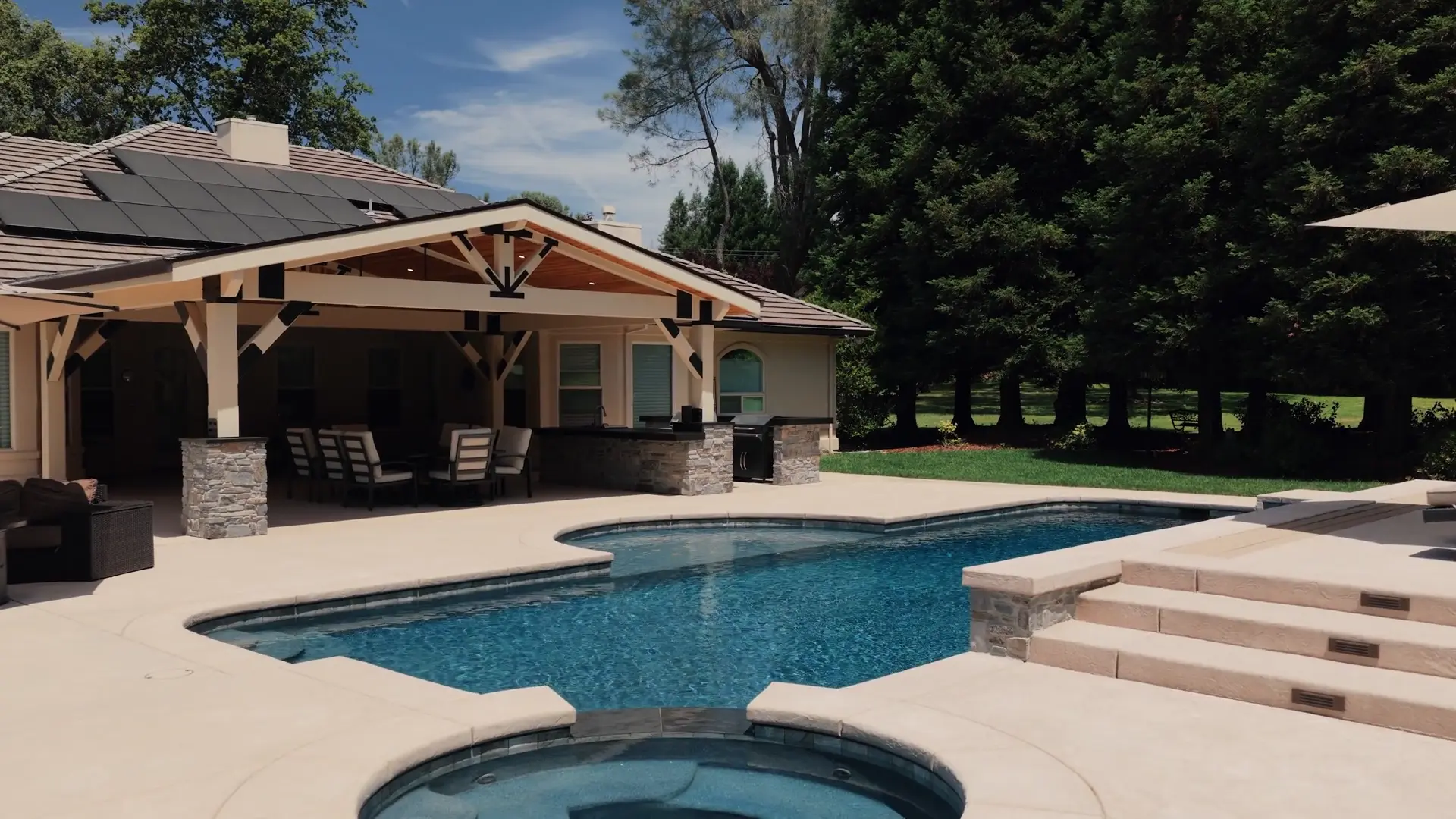
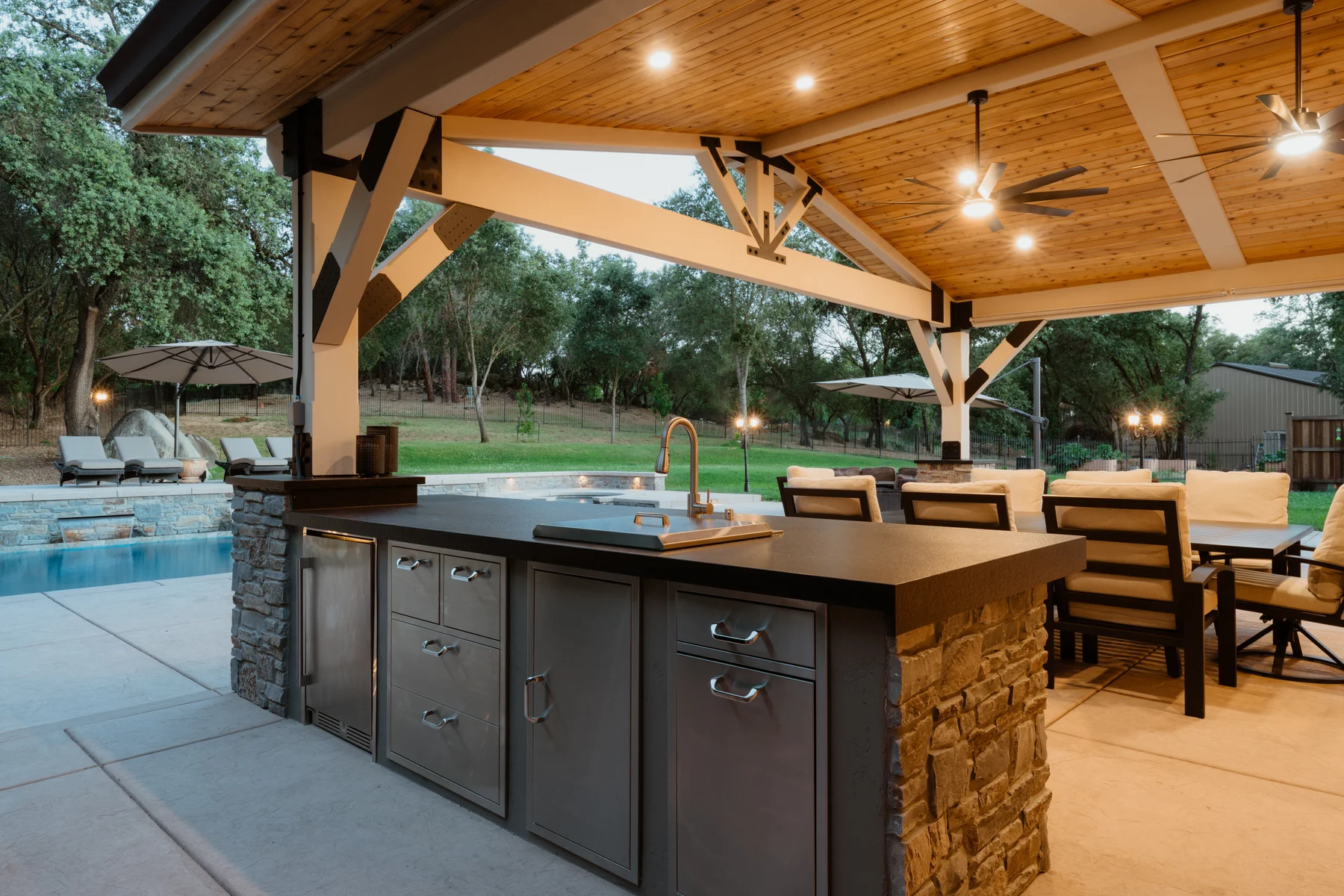
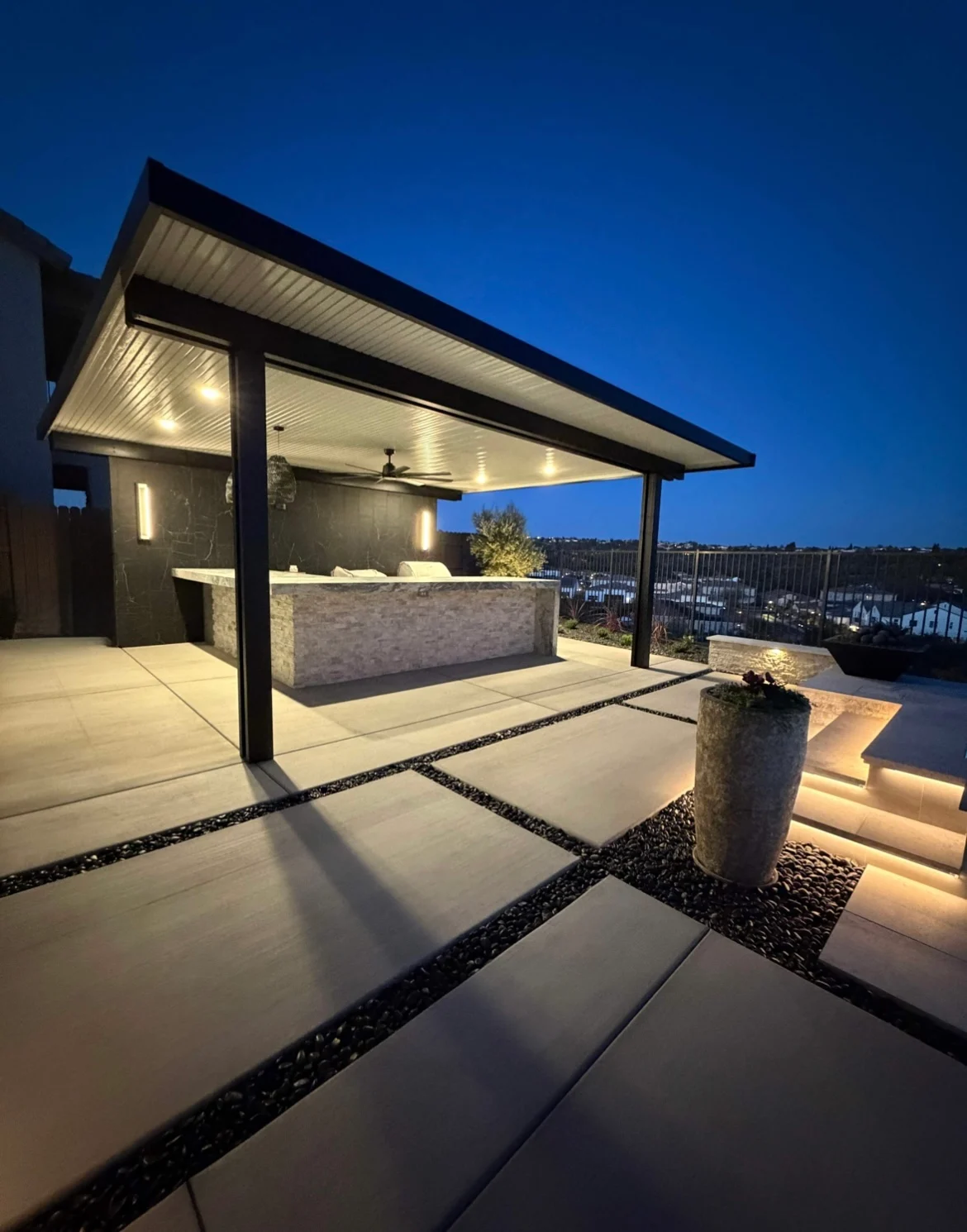
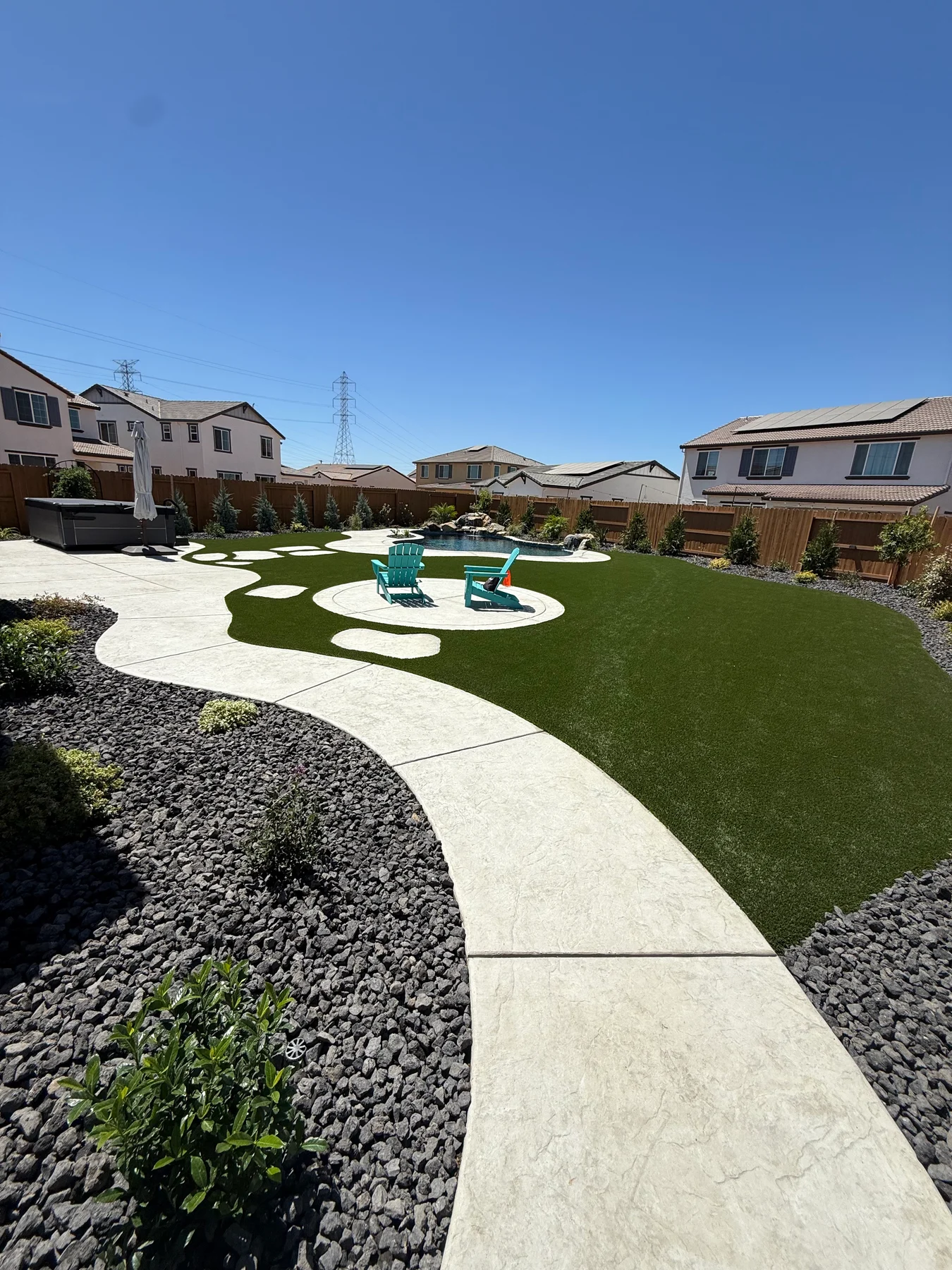
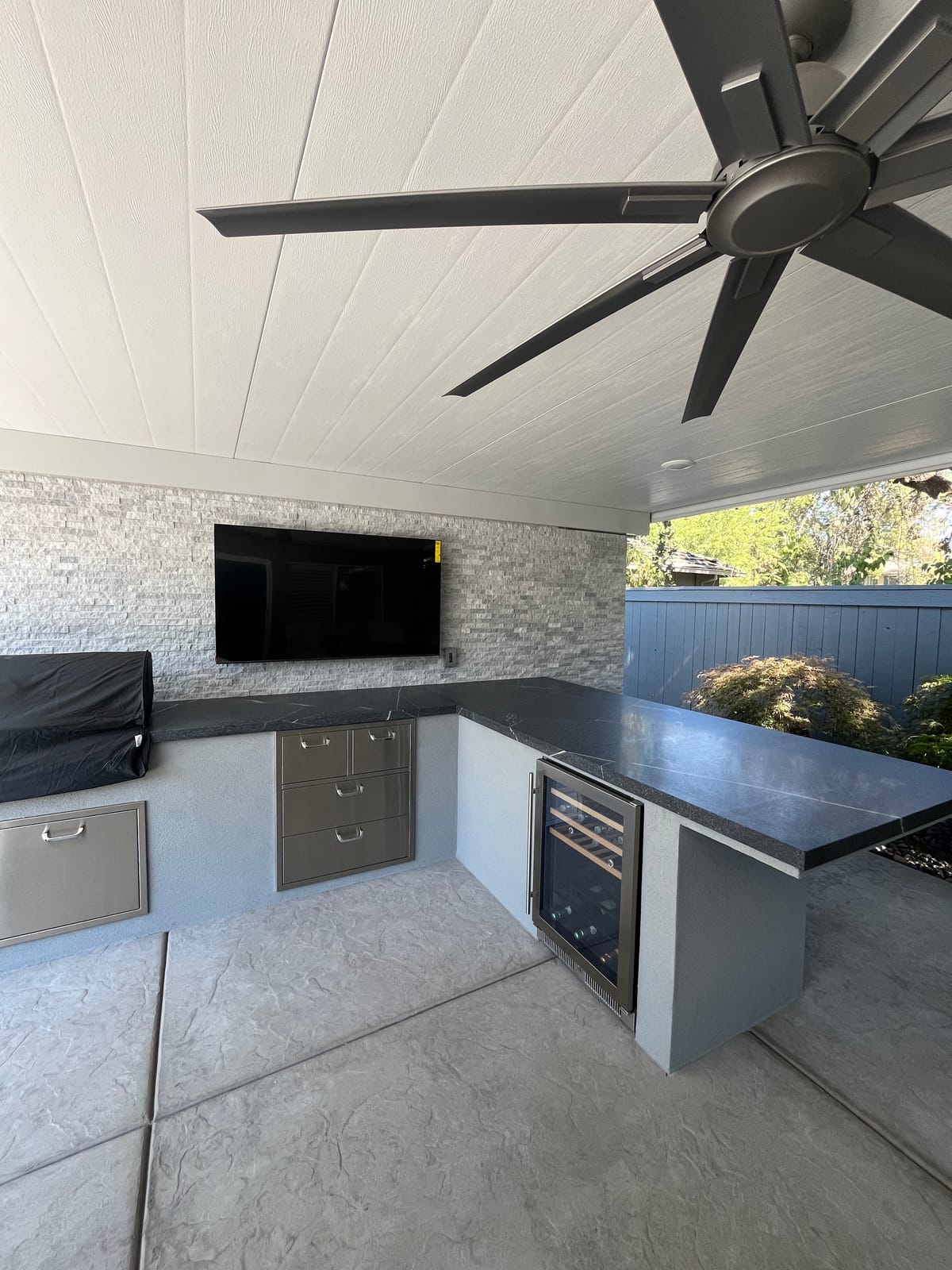
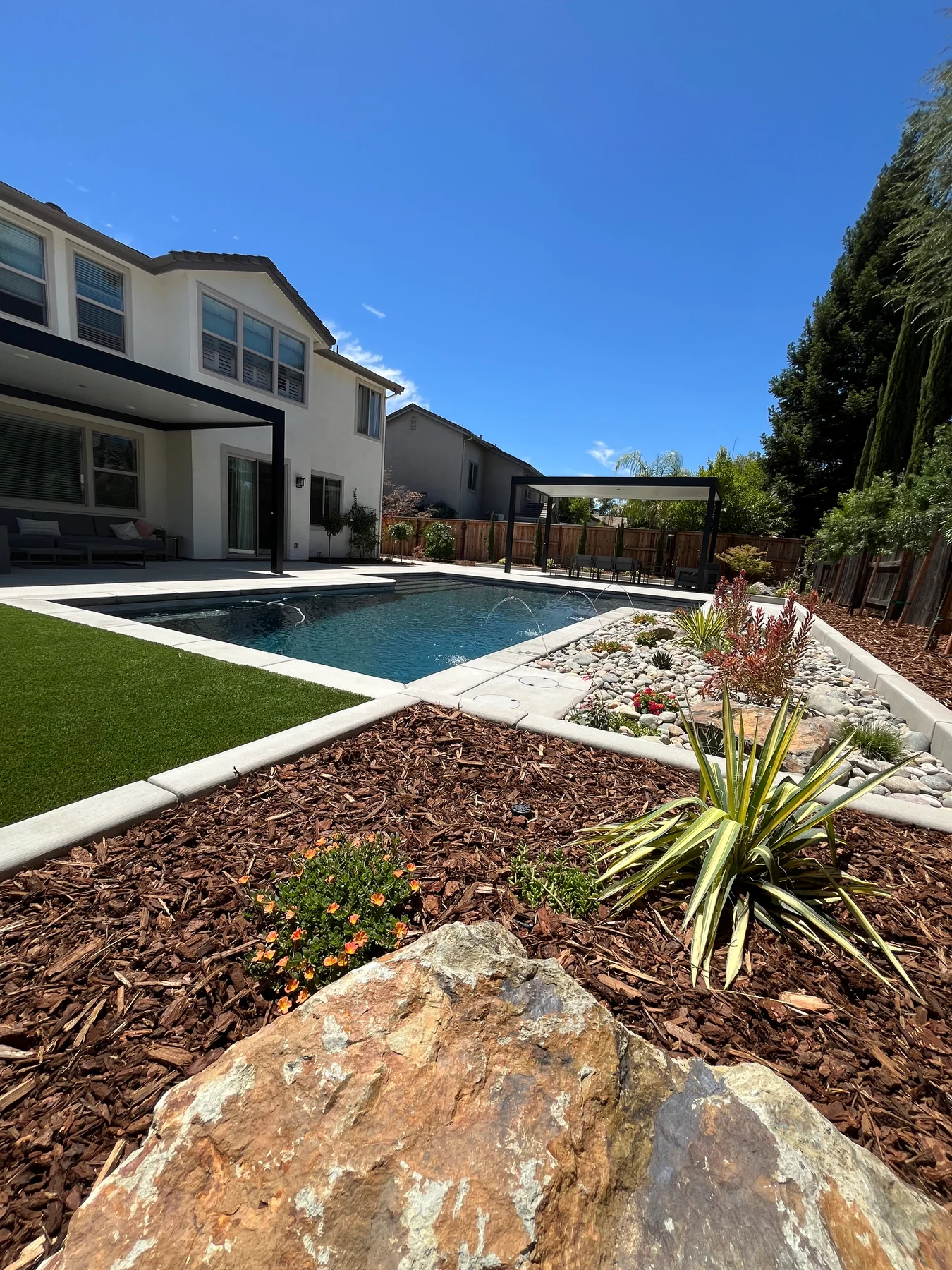
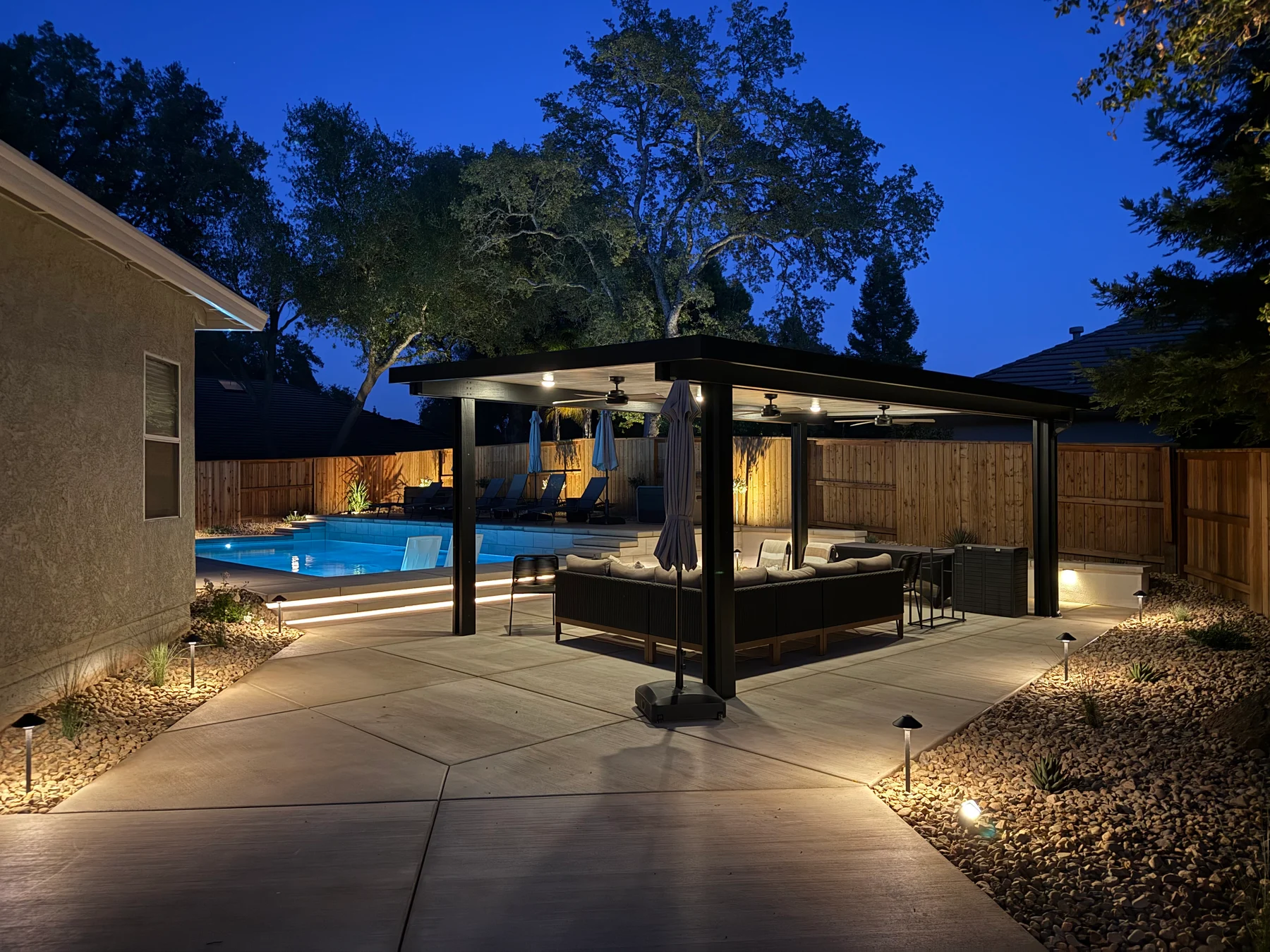
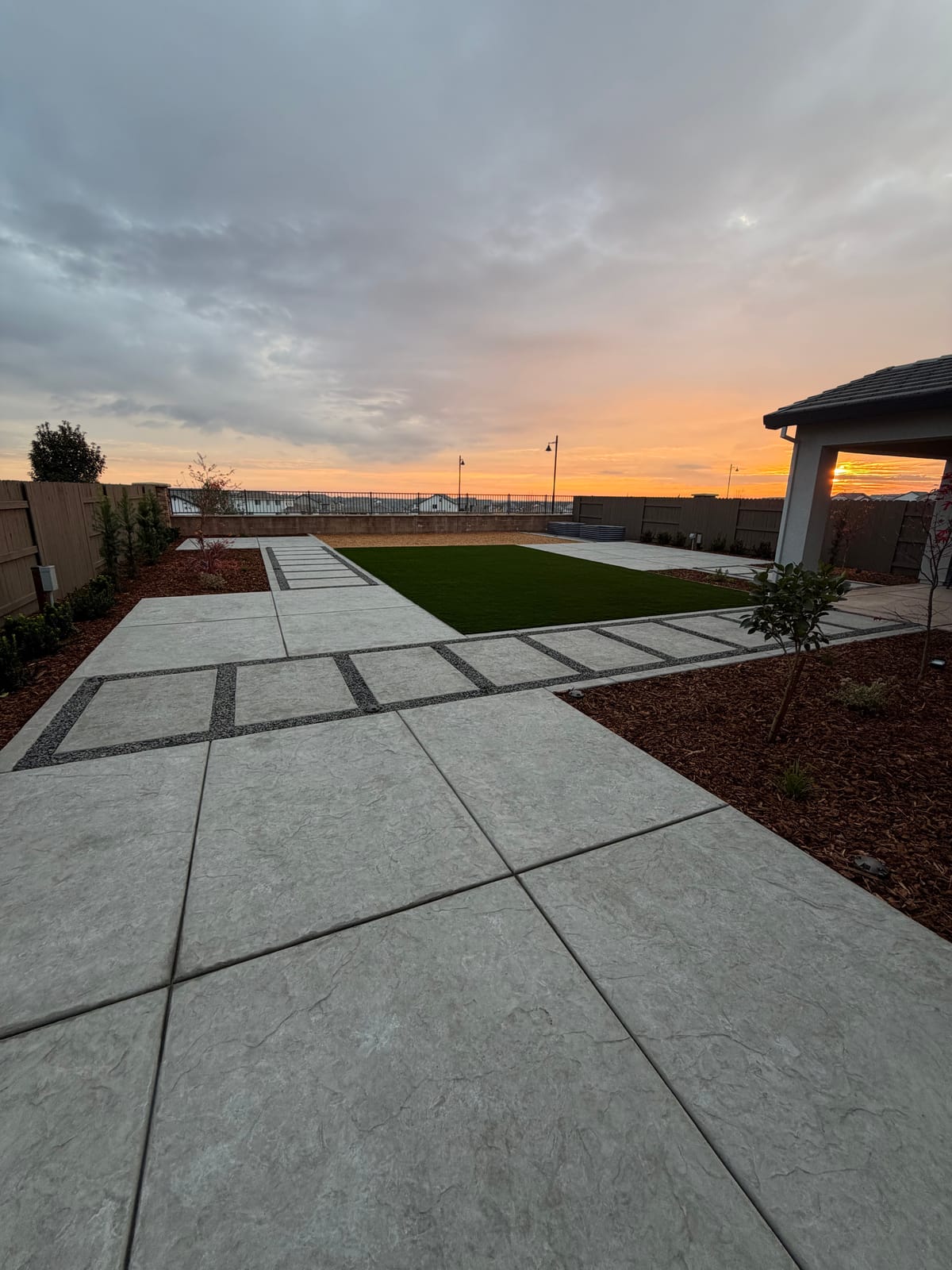
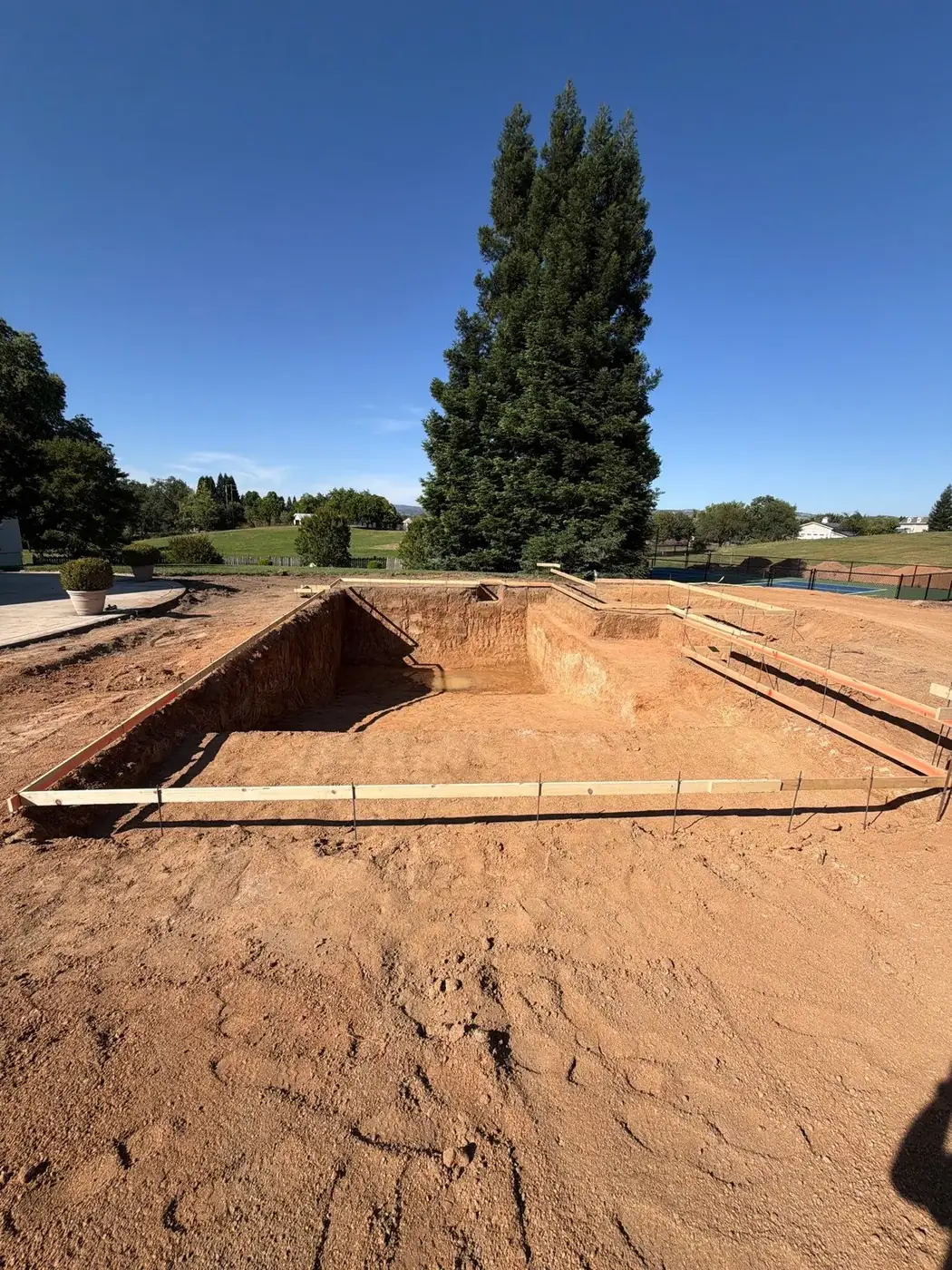
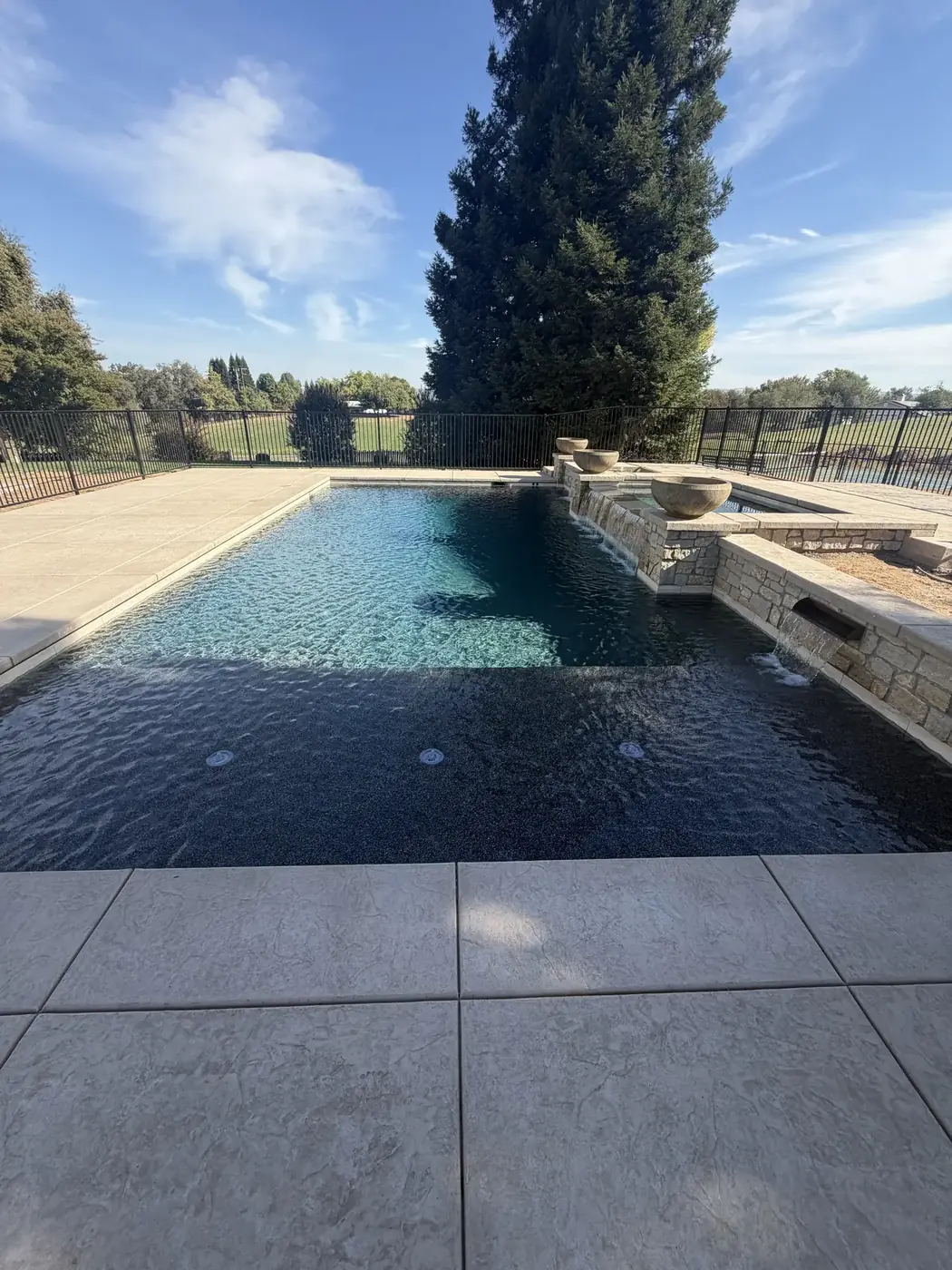
There isn’t a one-size-fits-all price for an outdoor living project because no two properties, designs, or project scopes are exactly the same. Pricing can depend on the size of the property, existing conditions, site access, demolition, grading, drainage, irrigation, material selections, hardscape, landscaping, structures, utilities, and the different features being incorporated into the project.
This is also why comparing outdoor living projects based on a general price per square foot or an online estimate can be misleading. A thoughtfully designed and properly constructed outdoor space involves many components that may not be visible when looking at a finished photograph. What happens beneath the surface, the quality of the materials being used, the amount of preparation required, and the complexity of the construction all contribute to the overall investment.
During your initial consultation, we’ll have an open conversation about your goals and your targeted comfort zone of investment. We believe it’s important to have realistic conversations about budget early rather than designing an outdoor space without considering what our clients are comfortable investing. This allows us to provide guidance on what may be feasible and where adjustments may need to be made as the project develops.
For projects that require more detailed planning, this is also where our design and pre-construction process becomes extremely valuable. Before preparing the final construction proposal, we work through the design, material selections, construction details, quantities, site conditions, and other major components that will affect the cost of the project. This allows our proposal to be based as closely as possible on what you actually want built rather than broad assumptions or basic material allowances.
Material selections alone can create a significant difference in project cost. We would rather have those conversations before construction begins and adjust the design or selections as needed than provide an attractive number upfront only for our clients to later discover that the materials or features they actually want come with substantial additional costs.
Our goal is not simply to fit as many features as possible into a particular number. It is to help our clients understand what is realistically achievable within their targeted investment while maintaining the construction standards and quality we are comfortable putting the CJR name behind. Sometimes that means adjusting materials, modifying portions of the design, prioritizing certain features, or planning a project in phases.
After seeing your property and understanding what you’re hoping to accomplish, we can provide realistic guidance and begin developing a scope around your goals. As the design and pre-construction process progresses, we can continue refining those expectations based on the actual project being planned.
We also have an honest conversation with our clients about the possibility of unforeseen conditions before we ever break ground. Even with thorough planning, outdoor construction can uncover existing or concealed conditions that simply cannot be known until work begins. We encourage our clients to plan for that possibility, maintain a reasonable contingency within their overall project budget, and avoid financially overextending themselves based solely on the original construction amount.
We never want a client to invest every dollar they are comfortable spending into the planned scope and then feel financially unprepared if something unexpected is discovered. Part of respecting our clients’ investment is being upfront about that possibility before construction begins, not after an unforeseen condition has already occurred.
Our pre-construction process is designed to identify and account for as much as reasonably possible before we start, but transparency also means acknowledging what we cannot predict. Our goal is to limit the unexpected wherever we can, prepare our clients for the possibilities we cannot eliminate, and give them a realistic understanding of both the planned investment and the responsibilities that can come with construction before they make the decision to move forward.