Not necessarily. Concrete is a rigid material, and some cracking can occur naturally as it cures and responds to temperature changes, moisture, soil movement, and other conditions.
However, the experience and preparation behind the concrete work matter significantly in helping reduce and control that cracking.
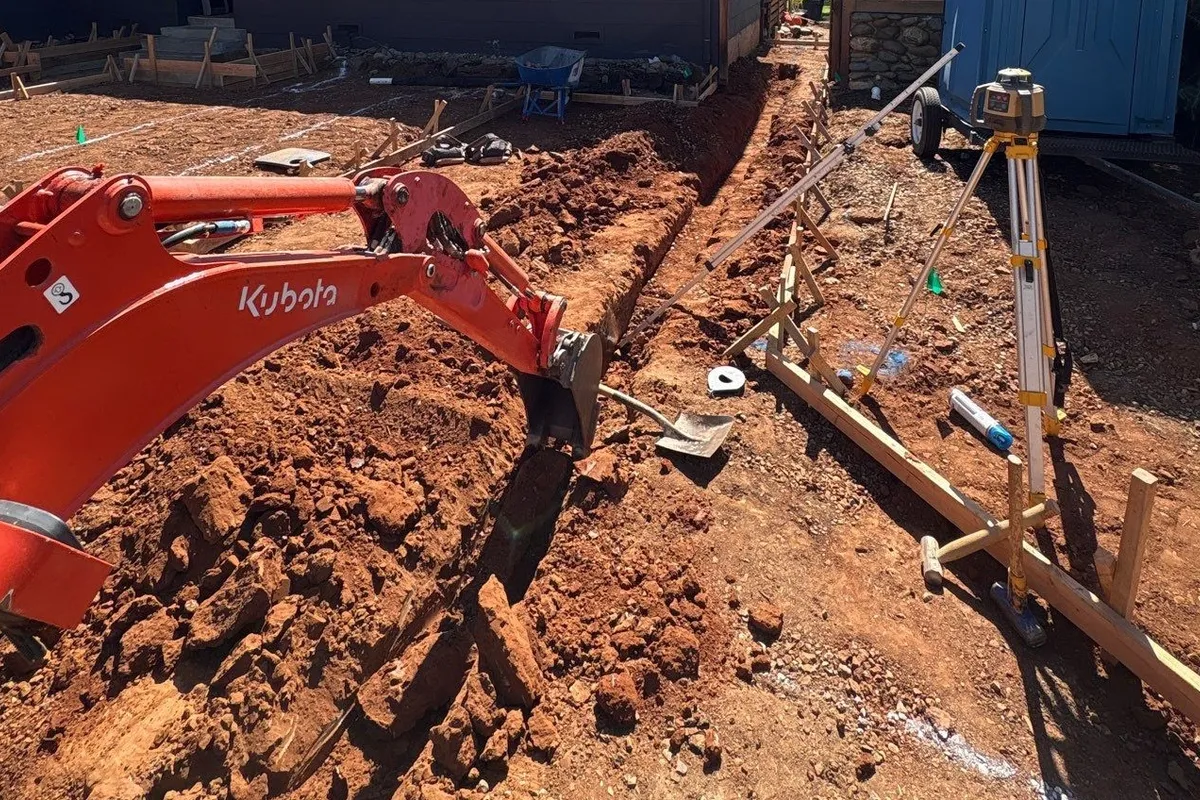
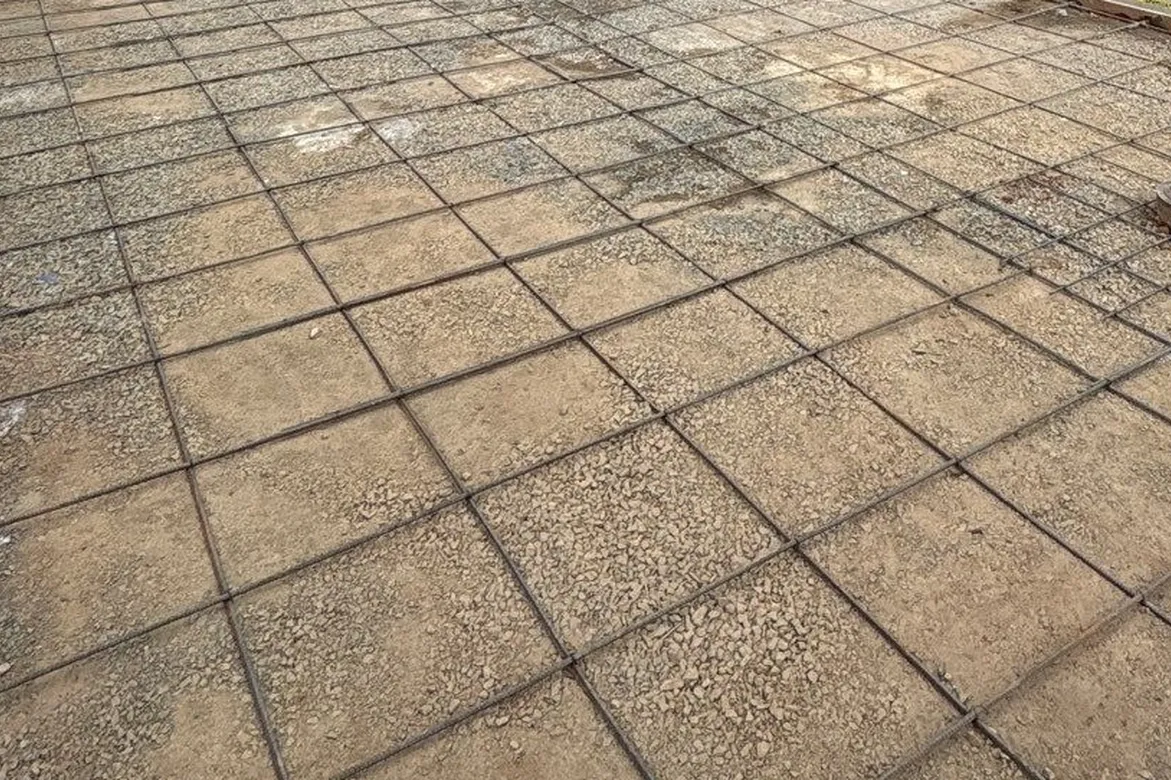
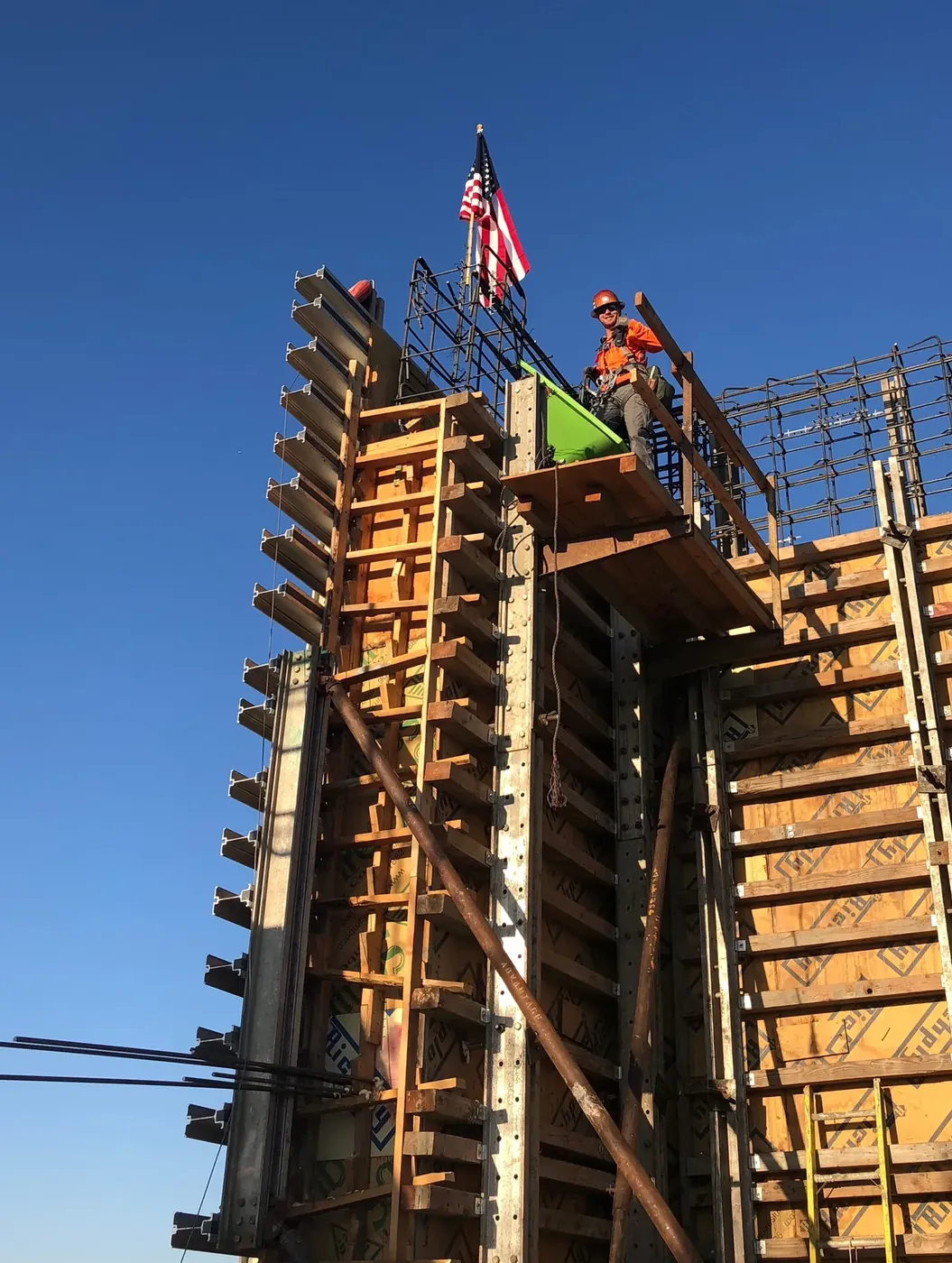
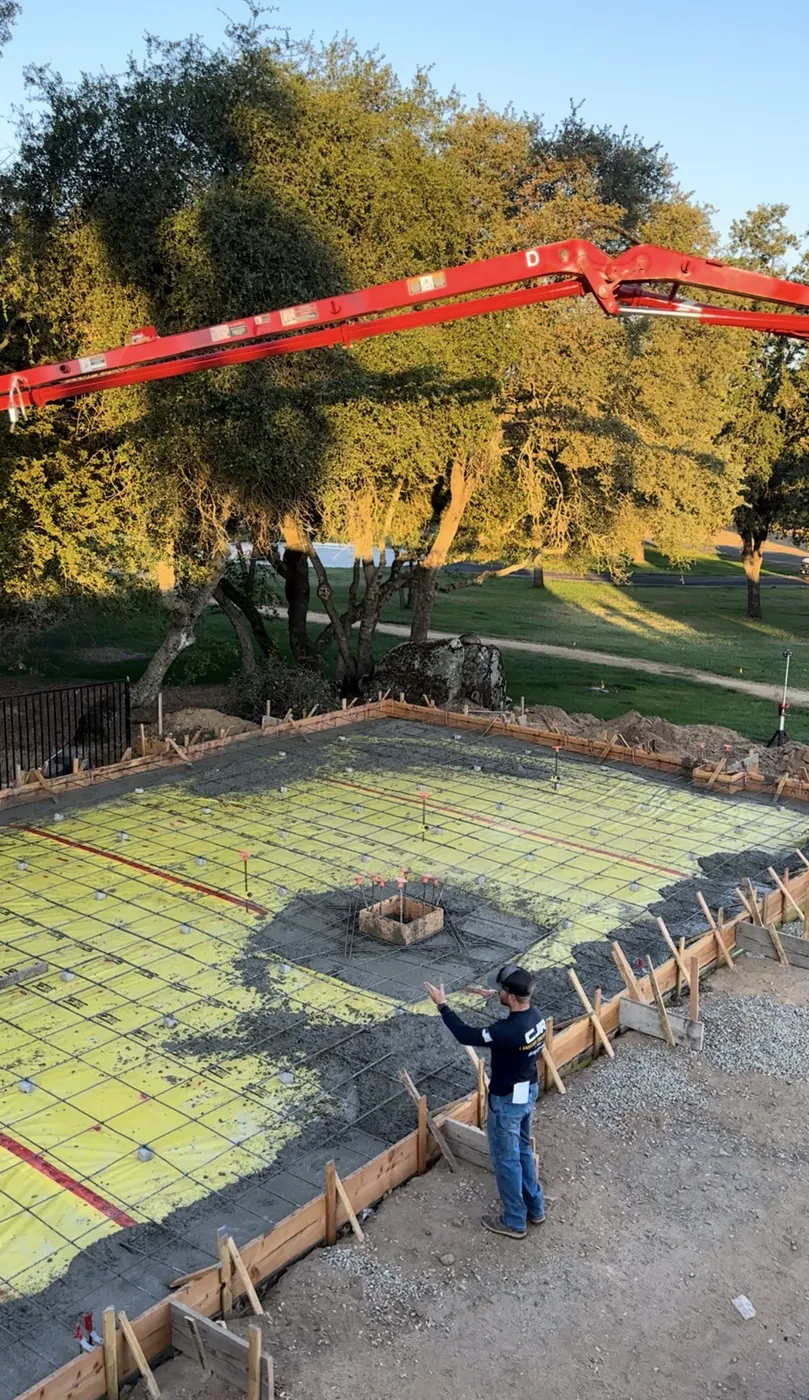
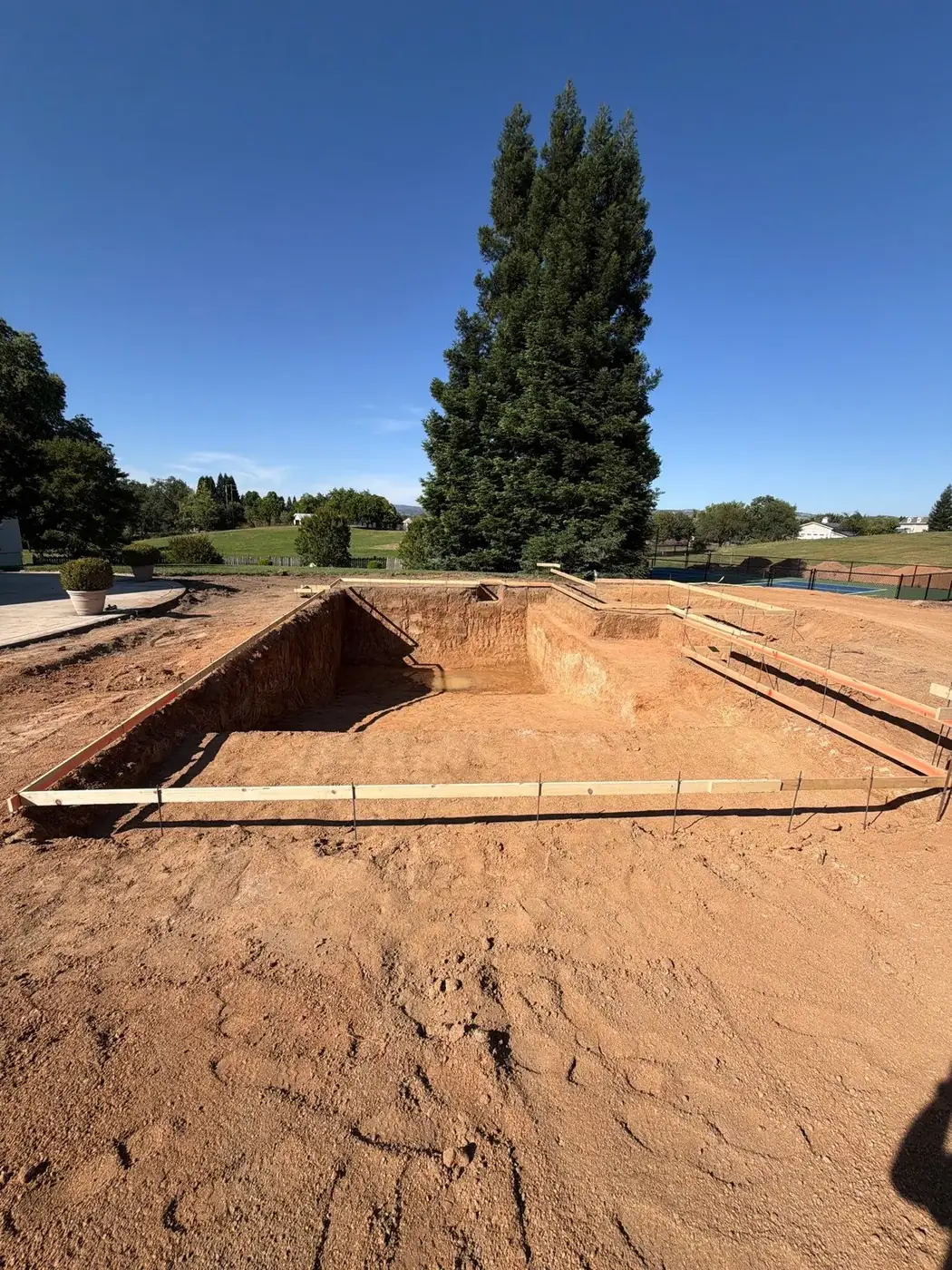
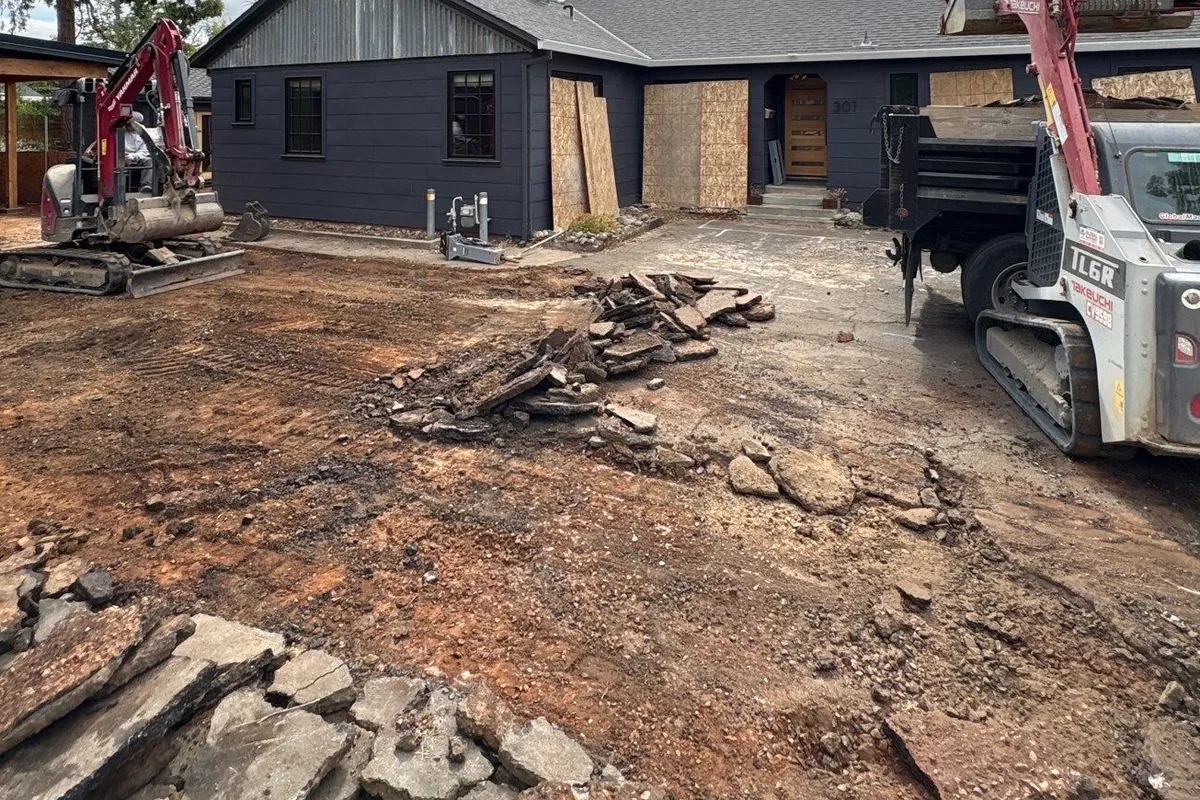
Proper ground preparation, compaction, reinforcement, forming, expansion and isolation measures where appropriate, concrete placement, finishing techniques, and properly planned control joints all play a role in how the concrete performs.
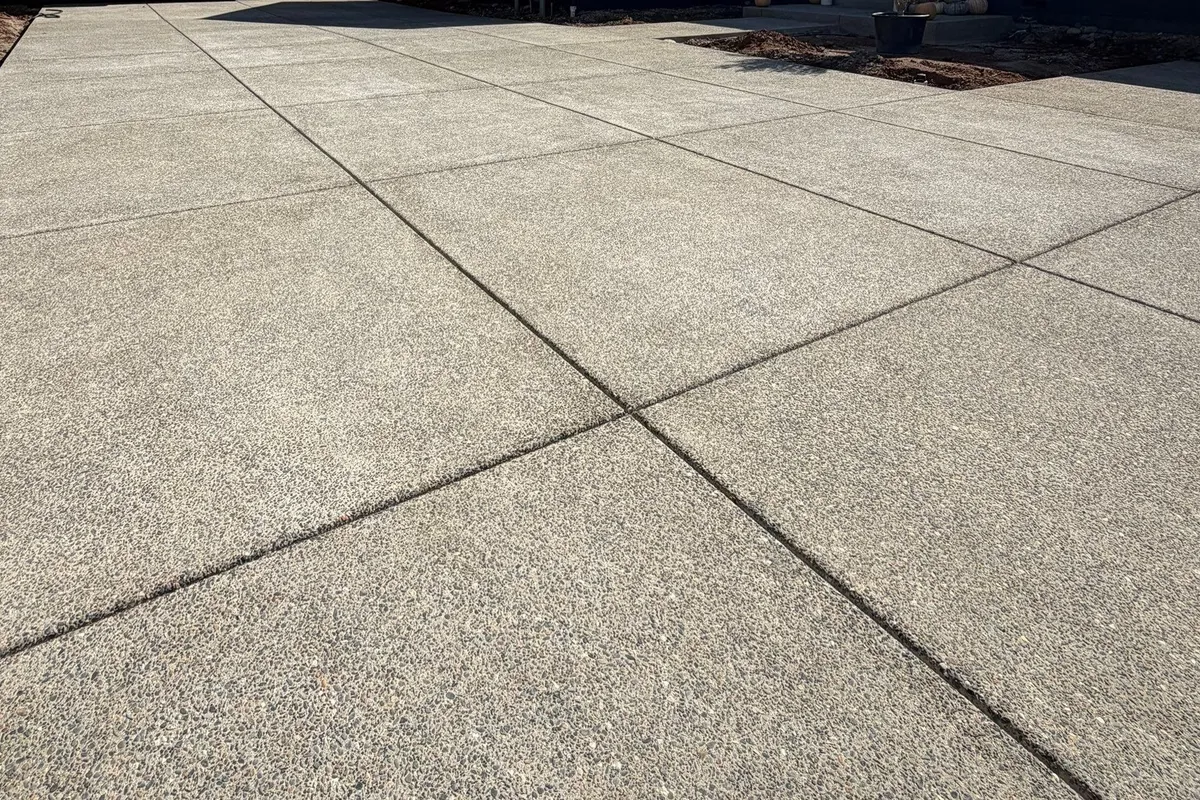
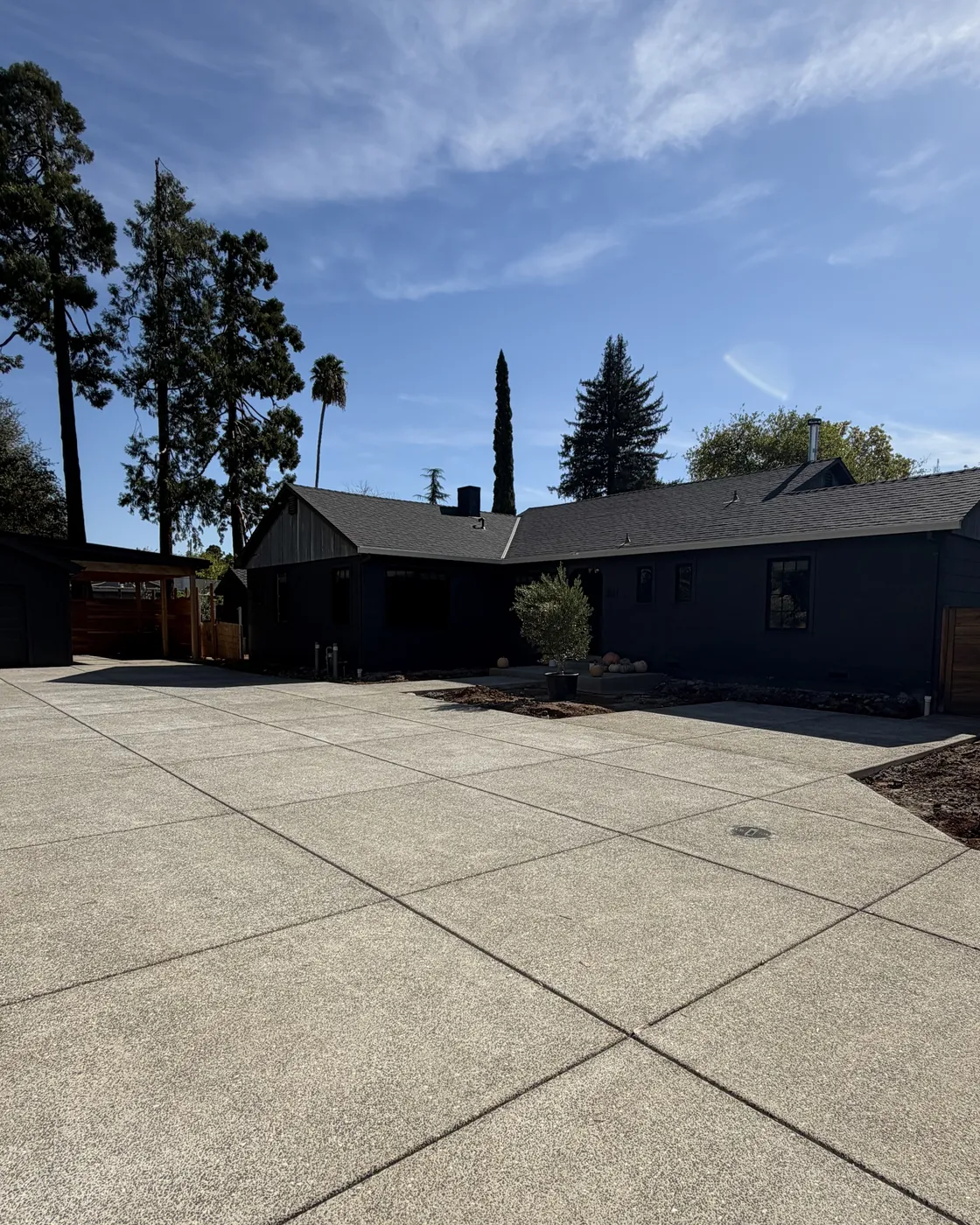
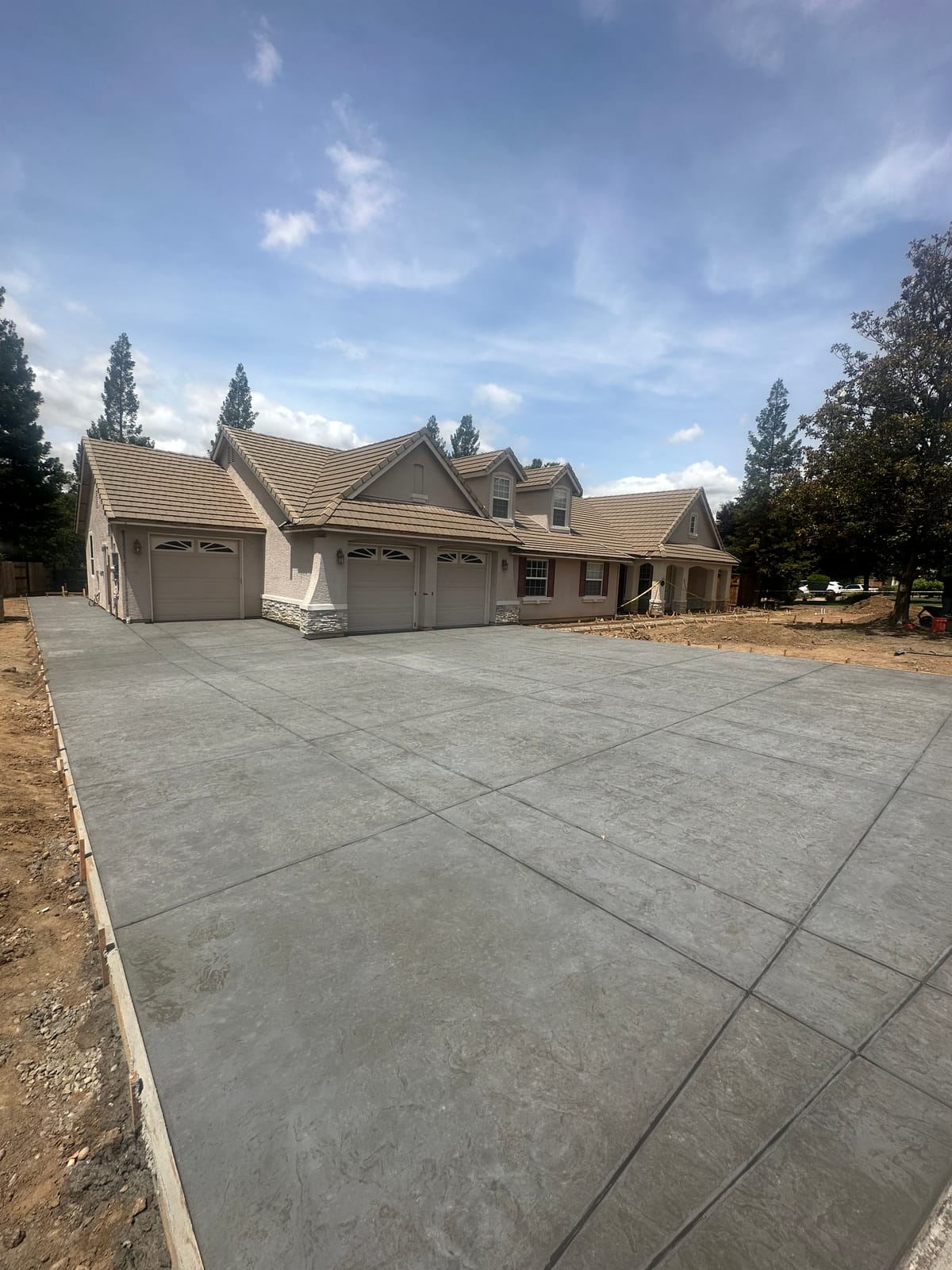
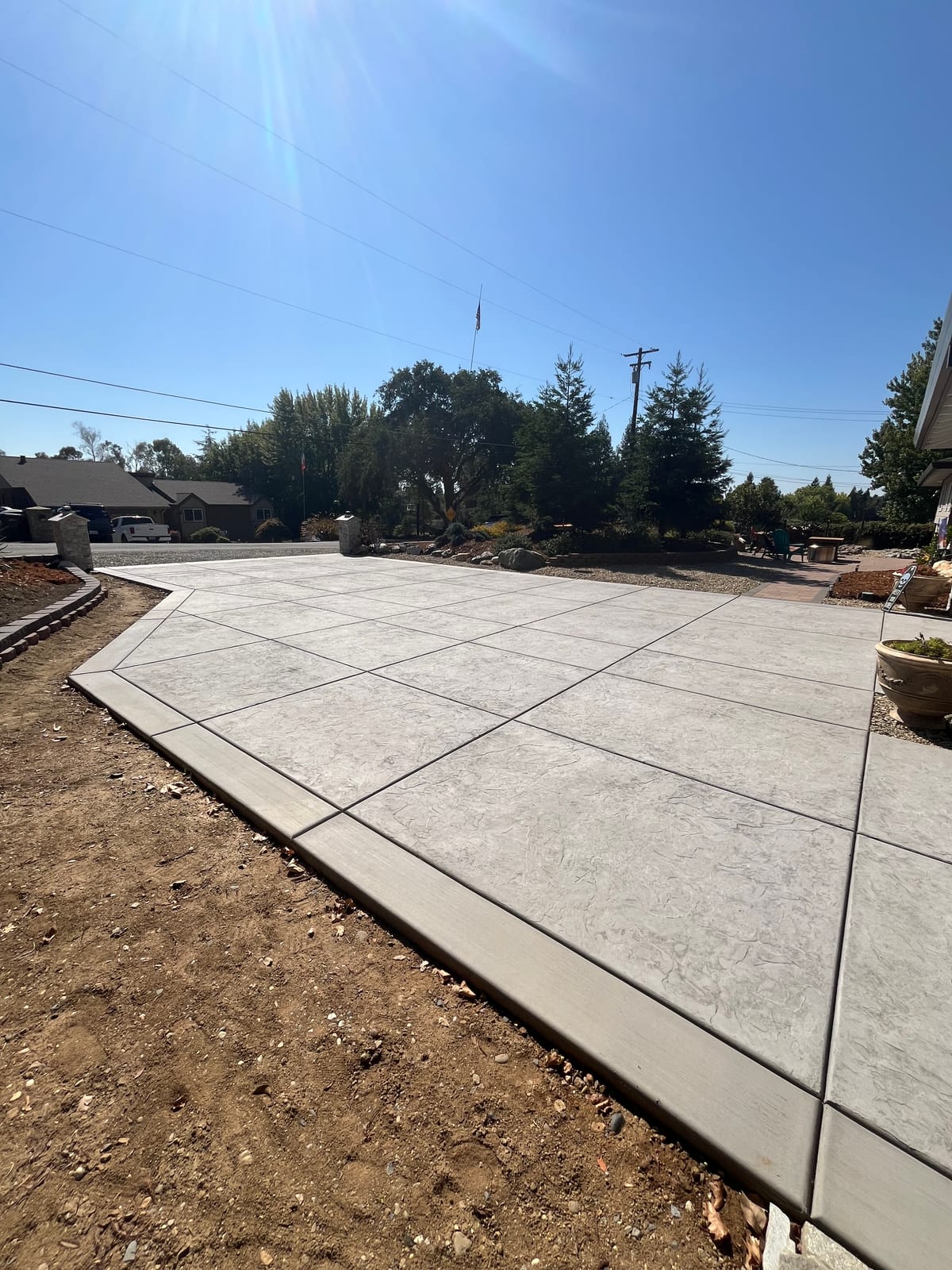
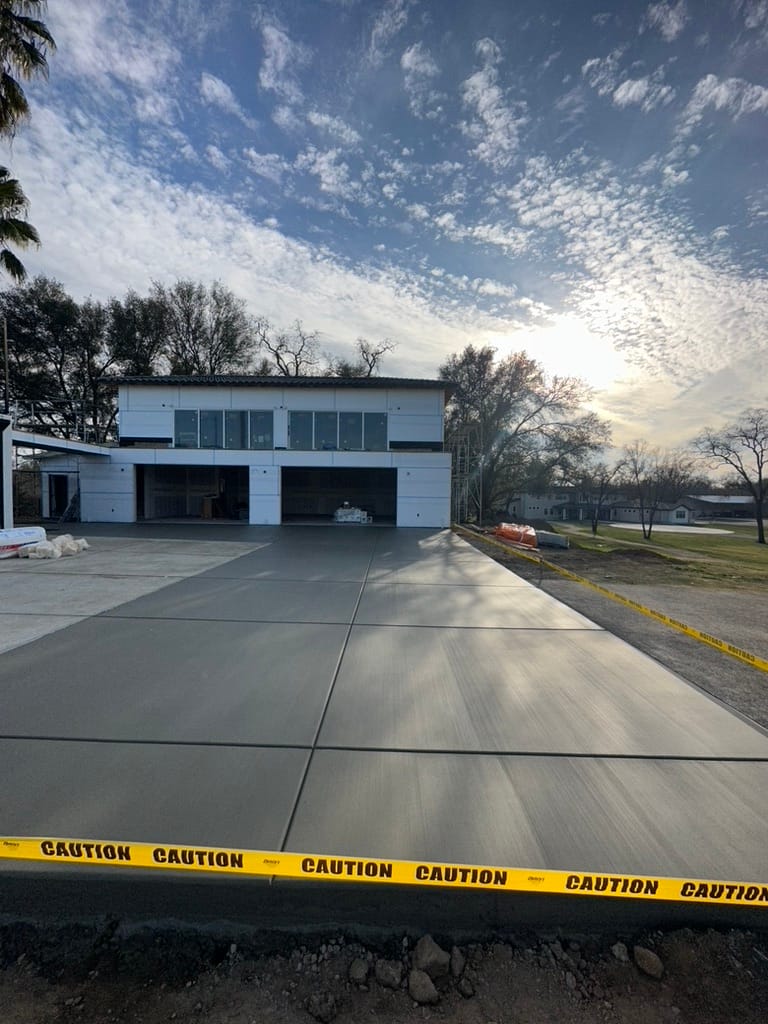
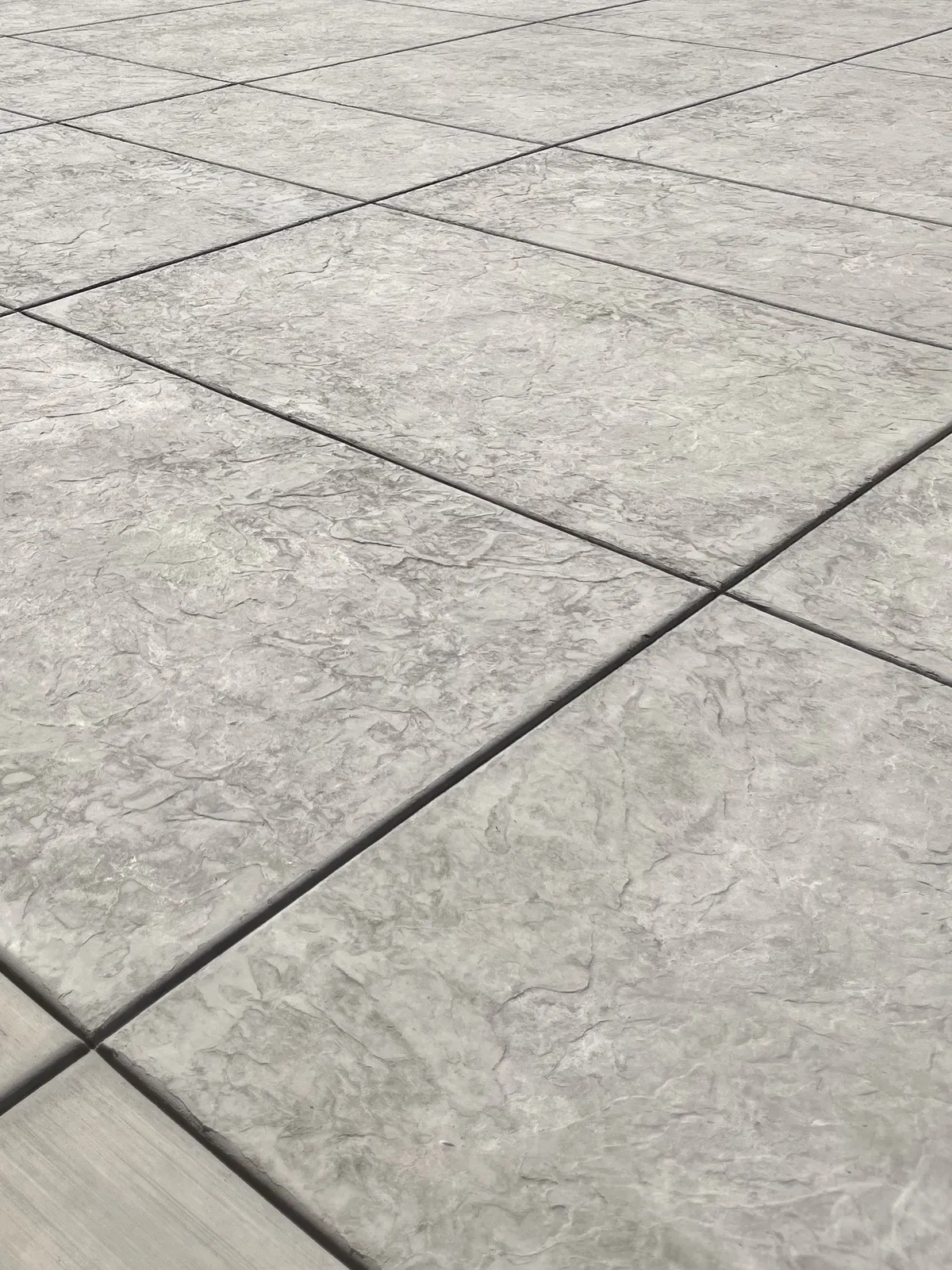
Control joints are intentionally placed to create weakened planes where shrinkage cracking is encouraged to occur in a more controlled location. Without the proper preparation and joint planning, cracking is more likely to develop in places you don't want it.
An experienced concrete contractor understands the measures that can be taken to reduce the potential for uncontrolled cracking and properly plans control joints to help manage where normal shrinkage cracking occurs.
No contractor can responsibly guarantee that concrete will never crack. But there is a big difference between acknowledging the natural characteristics of concrete and using that as an excuse for poor preparation or workmanship.
The goal is to give the concrete the best opportunity to perform the way it should—and that starts long before the concrete truck arrives.

 01